Impulse Domain Purchase Turned Fun Side Project
While on a typical Friday afternoon team meeting, we naturally spent our time .ai domain squatting...for recreation purposes of course. Someone asked a dumb question, so I looked it up and suddenly I was the proud owner of dumbquestion.ai.
After the initial laugh at my impulse purchase subsided, I started envisioning it as this generation's "Let Me Google That For You." People still ask easily-searchable questions, except now they ask LLMs instead. Same problem, new medium. So why not throw even more AI at it?
I started building it that night.
Two things occurred to me immediately: How would this stand out in an ocean of other AI "ideas?" and "How cheap can I make this run given my track record of side projects?"
To make it stand out I just embraced my own personality: satirical, sarcastic, weary, overqualified. My AI's persona was born. The goal: build a cheap-to-run, satirical AI service you can use to roast your friends and colleagues when they ask you a dumb question.
Over the next several posts, I'll take you through my journey:
Using agentic development with thoughtful (brutally efficient) software architecture; treating it like I would a client project
Enjoying all the little technical challenges discovered along the way
A masterclass in scope creep: turning a simple Q&A app into a dark narrative with easter eggs
Getting by on free tiers for everything
A theme you'll see throughout: AI has made code cheaper to write, but creating real software with trade-offs, constraints, and production operations is still expensive and challenging. That's the fun part.
𝐎𝐩𝐭𝐢𝐦𝐢𝐳𝐞𝐝 𝐟𝐨𝐫 𝐍𝐨𝐭 𝐋𝐨𝐬𝐢𝐧𝐠 𝐌𝐨𝐧𝐞𝐲
Impulse buy a domain on a Friday afternoon, start building that night, try not to lose money doing it. Check.
I usually plan everything meticulously, but for this project I decided to just build and see what emerged. Was this just a Q&A app wrapped around an LLM as a gag? Was I actually trying to make something people would want to use? I still don't know, but I started building anyway.
A few things quickly became clear:
𝐓𝐡𝐞 𝐛𝐮𝐬𝐢𝐧𝐞𝐬𝐬 𝐫𝐞𝐚𝐥𝐢𝐭𝐲: This was a side project built for fun, not a funded startup. No runway. No tolerance for baseline monthly bills that sneak up on you. If this thing got any traction, costs had to scale with incredible efficiency and would need to survive on remnant ad CTRs and selling one, maybe two products through affiliate links.
𝐓𝐡𝐞 𝐩𝐫𝐨𝐝𝐮𝐜𝐭 𝐞𝐯𝐨𝐥𝐮𝐭𝐢𝐨𝐧: The more I thought about it, the more I realized the personality WAS the product. It wasn't enough to just answer questions. It had to roast you. Entertain you. Make you want to share it. That meant high-quality LLM responses, which aren't free. This was likely the only way to get noticed in a sea of AI products.
"𝘉𝘳𝘶𝘵𝘢𝘭𝘭𝘺 𝘌𝘧𝘧𝘪𝘤𝘪𝘦𝘯𝘵" became my mantra and part of every AI tool prompt.
The tech stack followed from the constraints:
Golang: Lightweight, fast, LLM-friendly for agentic coding
HTMX: Server-side rendering, no heavy JS frameworks
Docker on GCP Cloud Run: Scales to zero when idle
Cloudflare: CDN, caching, security on free tier
OpenRouter.ai: Find the cheapest reasonable LLM
Oh, and it needed to be secure. Not because I worried about your cat questions being exposed as PII, but because bot traffic costs money.
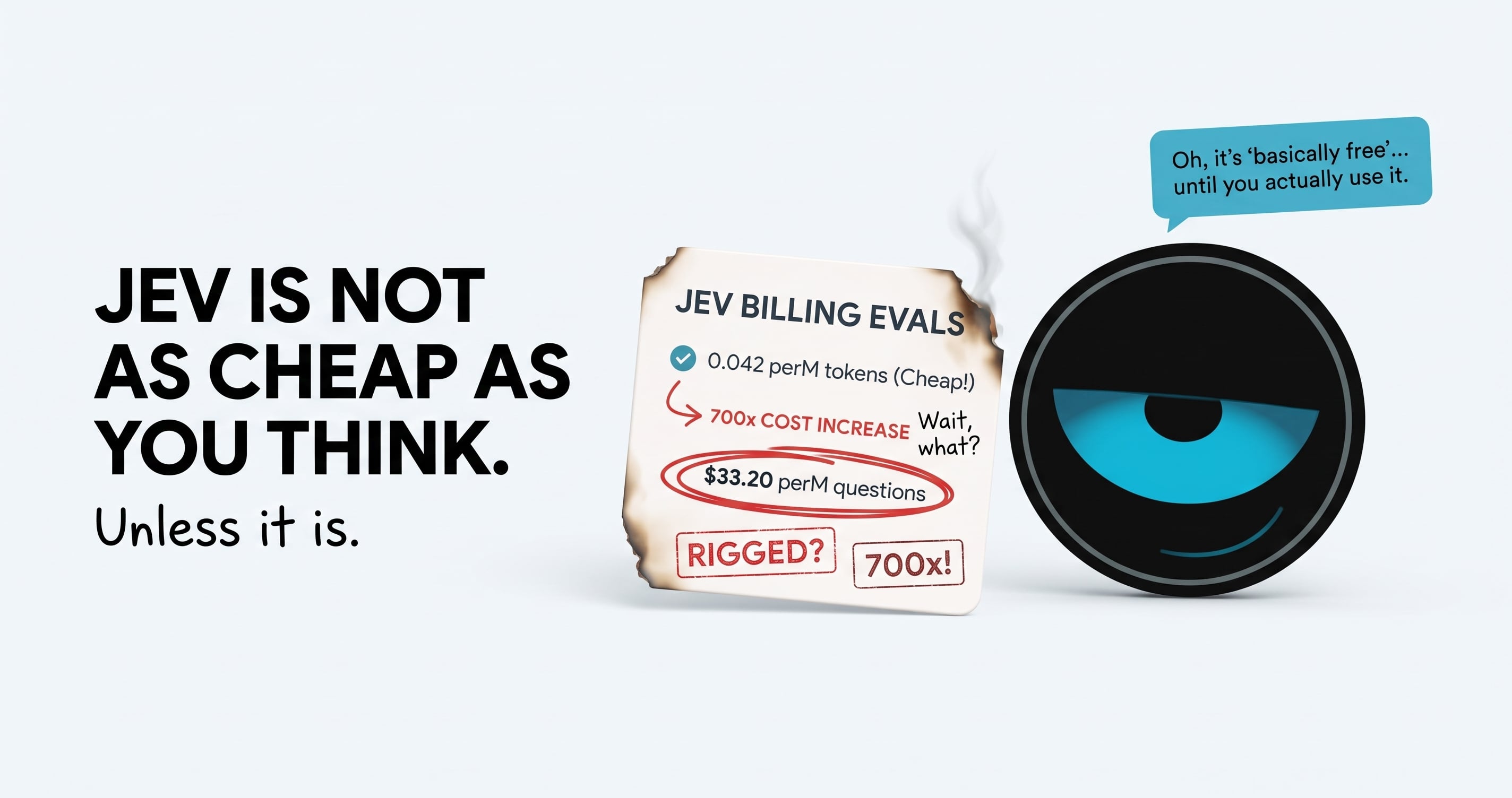
𝐓𝐡𝐞 𝐫𝐞𝐬𝐮𝐥𝐭: A Docker container under 20MB that starts in milliseconds, responds in milliseconds, and uses an LLM that can serve 1 million questions (about cats) for around $30. The math around serving ads suddenly becomes realistic.
About the author
- Principal Software Architect with nearly 30 years in the industry.
Comments
Join the discussionNo comments yet. Be the first to comment.
DumbQuestion.ai Origin Stories
A behind-the-scenes series on building DumbQuestion.ai: the domain impulse buy, persona design, cheap LLM trade-offs, BMAD workflows, security-as-storytelling, and the hidden narrative behind the product.